
Return to Main Calendar Page
6:30 pm - 8:30 pm2 hours
EPS Meeting
For our next challenge, I'll leave lighting for now and focus on compositional skills.
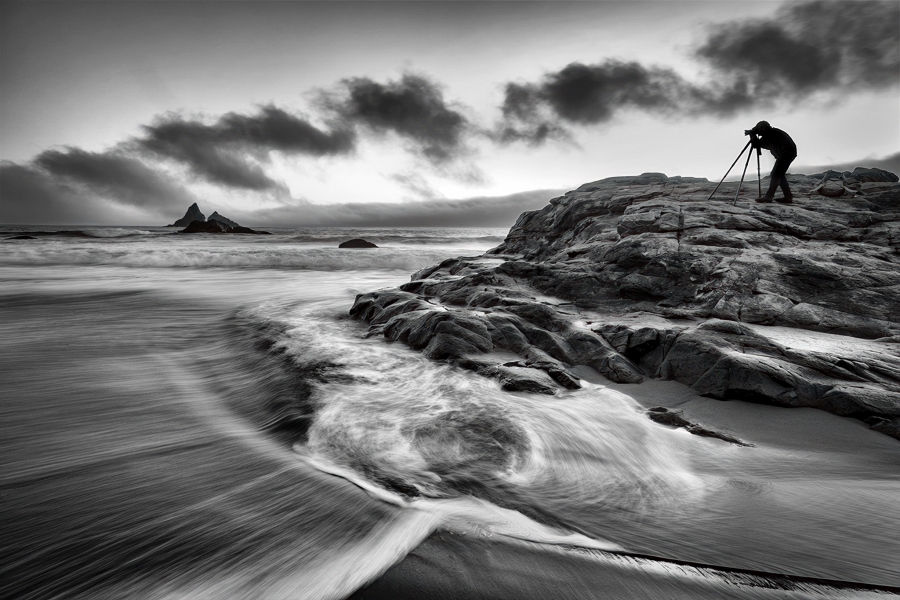
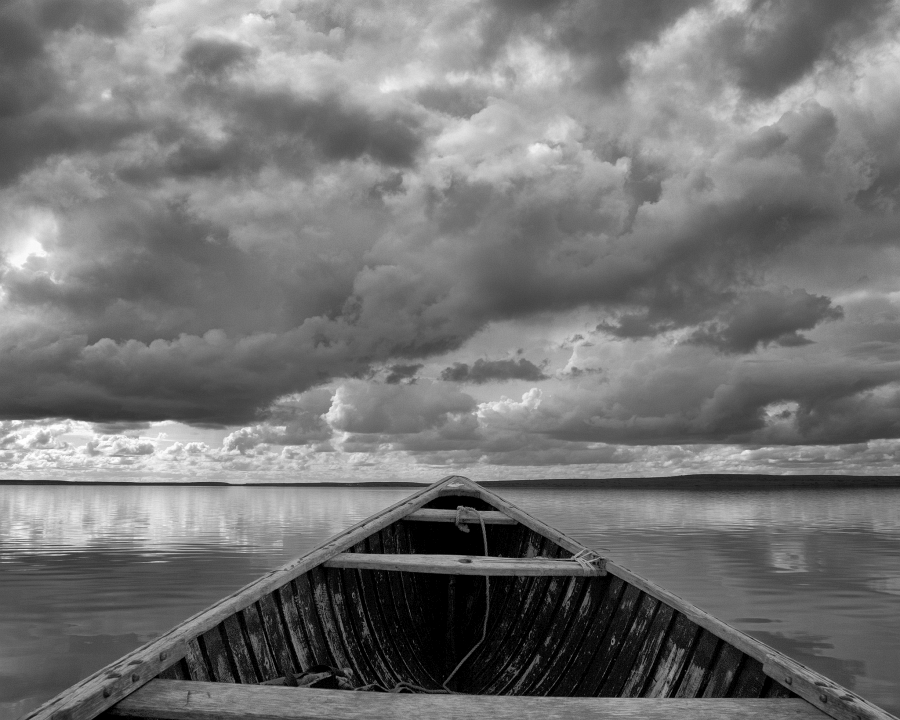
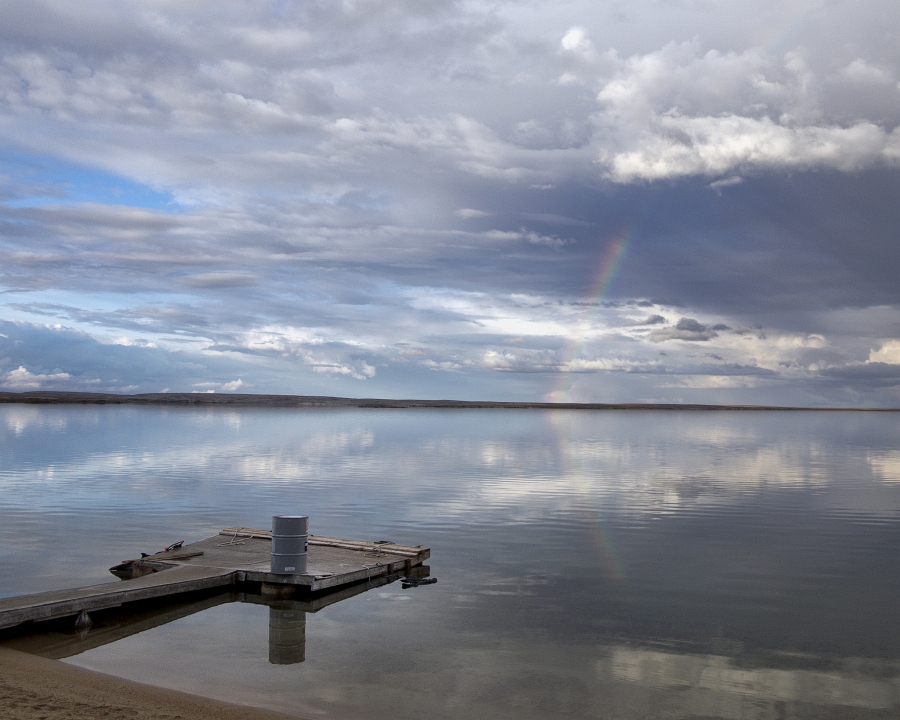
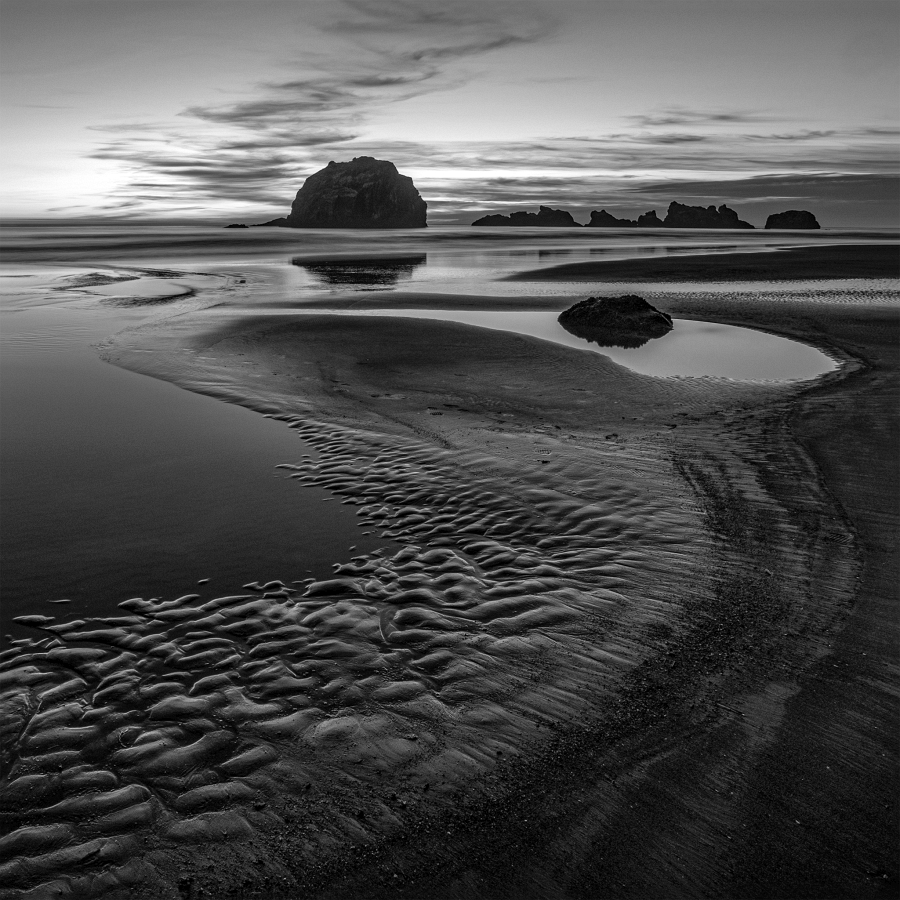
The Challenge is "Leading Lines." The accompanying text and photos should provide you with plenty of information. Looking through my files, I see I don't use it often enough.
(More content below photos.)

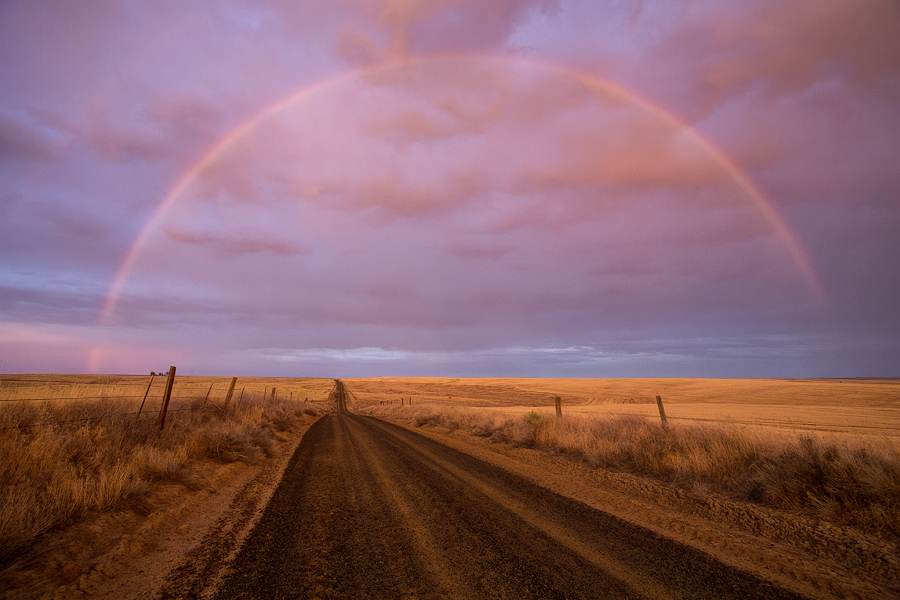
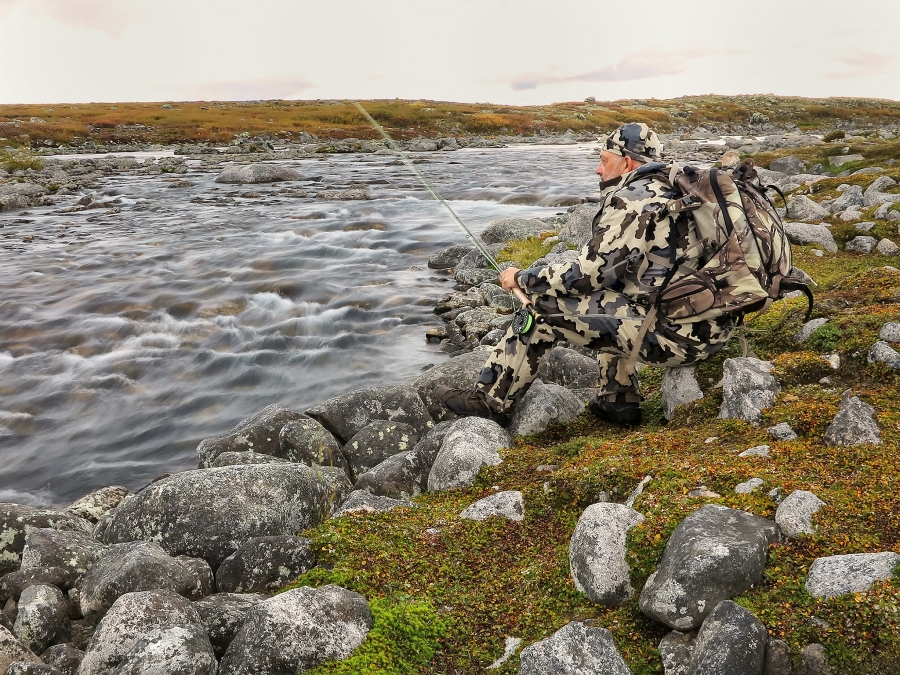
What Are Leading Lines in Composition?
Leading lines in composition refer to natural or man-made elements in a photo that create a visual path. These lines draw the viewer’s attention to key subjects or guide their gaze through the image.
Some common types of leading lines include:
Roads, paths, or trails
Fences, bridges, or railings
Rivers or shorelines
Shadows or beams of light
Architectural lines like hallways or windows
Pro Tip: Strong leading lines lead somewhere, ideally to your subject or focal point.
Why Use Leading Lines in Photography?
Why Use Leading Lines in Photography?
Leading lines do more than add structure; they create flow. This sense of direction helps control how your image is consumed, making your storytelling more deliberate.
Leading lines in composition also:
Create a sense of depth or perspective
Add dynamic energy to still scenes
Strengthen your visual hierarchy
Encourage emotional or symbolic interpretation
How to Use Leading Lines Effectively
Here’s how to make the most of leading lines in your photography:
1. Frame with Intention
Position your lines so they start near the edge of the frame and move inward toward your subject. Diagonal lines can add drama, while curved lines suggest calmness.
2. Use Wide Angles for Impact
Wide-angle lenses exaggerate perspective, making leading lines more prominent and dramatic, especially in landscape or architectural photography.
3. Layer for Depth
Combine multiple lines or intersecting elements to add visual layers. For example, a winding path leading to a tree framed by a bridge arch adds complexity and narrative depth.
Genre Applications of Leading Lines
Landscape Photography: Use trails, rivers, or rock formations to draw attention to natural focal points.
Street Photography: Capture crosswalks, shadows, or railings that pull the eye toward your subject.
Portraiture: Employ fences, hallways, or light beams to emphasize your subject subtly and creatively.
Leading lines can be subtle (like a shadow), but still lead the eye to the main subject.
Pro Tip: Practice spotting leading lines everywhere, in architecture, nature, and even reflections. With training, you’ll see opportunities everywhere.
Editing for Stronger Composition
Don’t be afraid to crop or adjust angles in post-production to improve how your leading lines function. Subtle tweaks in rotation or exposure can enhance the direction and flow without changing the image’s core essence.
Let the Lines Lead the Story
When used thoughtfully, leading lines in composition add energy, structure, and intention to your photos. They’re not just about aesthetic appeal; they’re about storytelling and guiding the viewer’s emotional journey.
So next time you’re composing a shot, ask yourself: Where do I want the viewer’s eye to go?
Then let the lines do the talking.